


Project Vision & Context
Led experience design for a custom enterprise content and site-documentation platform created specifically for NEOM’s large-scale cultural, tourism, and research initiatives.
The platform enabled structured capture, organization, and long-term management of geolocated information, media, and field data related to sites of historical, archaeological, and touristic relevance within NEOM’s broader development ecosystem.
The initiative focused on transforming complex, multidisciplinary field inputs into a cohesive digital product that could support preservation, accessibility, and operational decision-making at scale.
Product Leadership & Ownership
Served as Principal UX Designer within a multidisciplinary core team including executive leadership, product, architecture, and engineering.
Facilitated stakeholder workshops, defined user journeys and interaction models, and produced wireframes and interactive prototypes used to validate usability and refine product direction prior to development.
This discovery-driven approach reduced ambiguity, accelerated cross-functional alignment, and ensured the platform balanced:
- user needs
- technical feasibility
- long-term operational value
Core Platform Capabilities
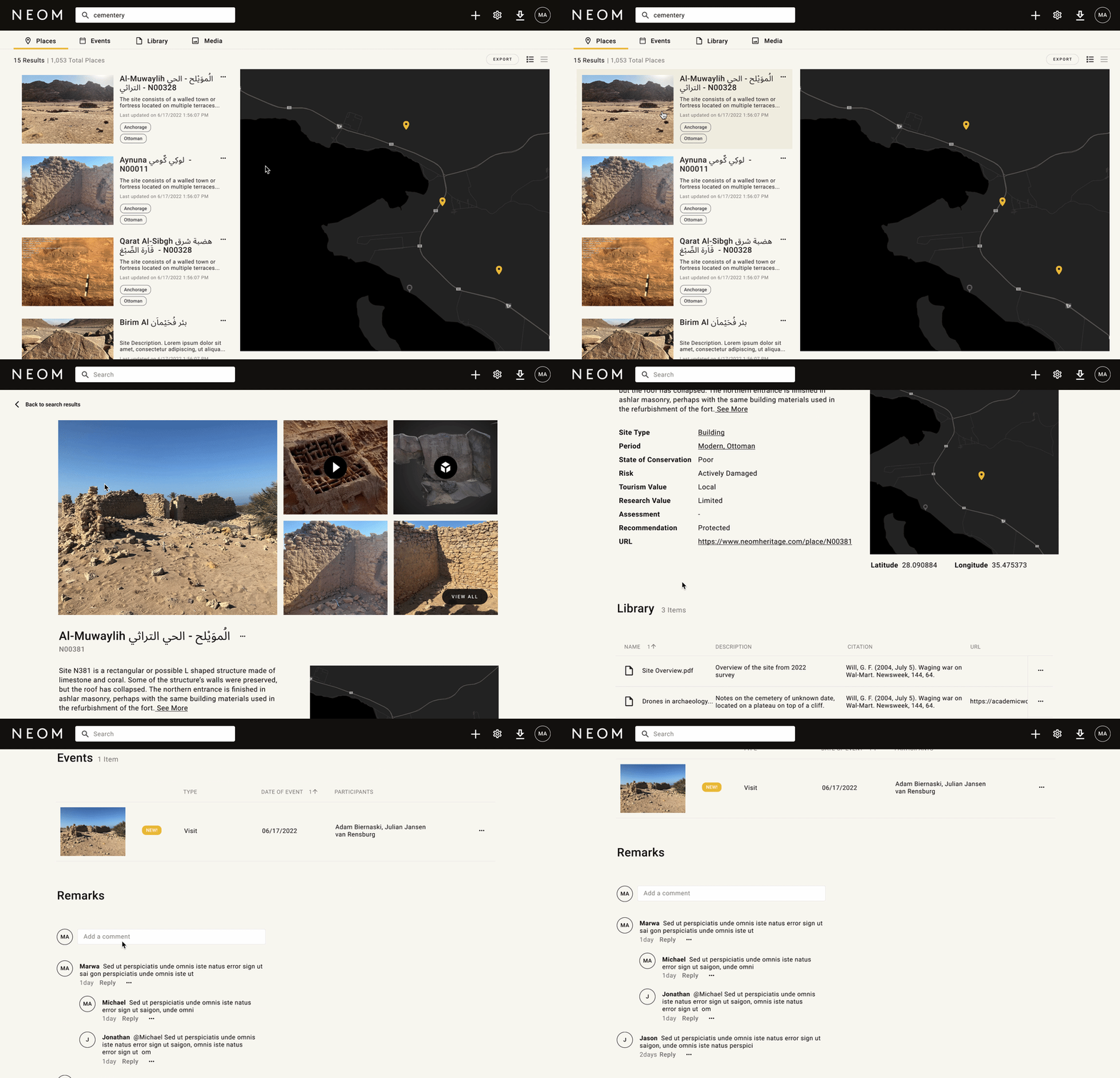
We created a product where users could manage content related to touristic, research and archeological places. Through the application the users could create places and events records as well as upload documents and media related to them. As part of the design process I led design workshops with the business stakeholders, created wireframes to try out different approaches an then created prototypes so that we could test the user flows with a user panel. That way we could iterate and improve designs before presenting handing the designs over to the development team.
Core Platform Capabilities
The platform enabled multidisciplinary teams to document, organize, and manage sites, events, and cultural assets within NEOM’s rapidly evolving environment. It supported the structured capture of media, surveys, and research artifacts generated through field activities, while integrating geolocation and spatial context to preserve accurate representation of physical locations. Together, these capabilities established a coherent digital foundation for long-term cultural, archaeological, and research knowledge management, ensuring that complex, distributed information could be accessed, understood, and operationalized across NEOM’s broader development ecosystem.
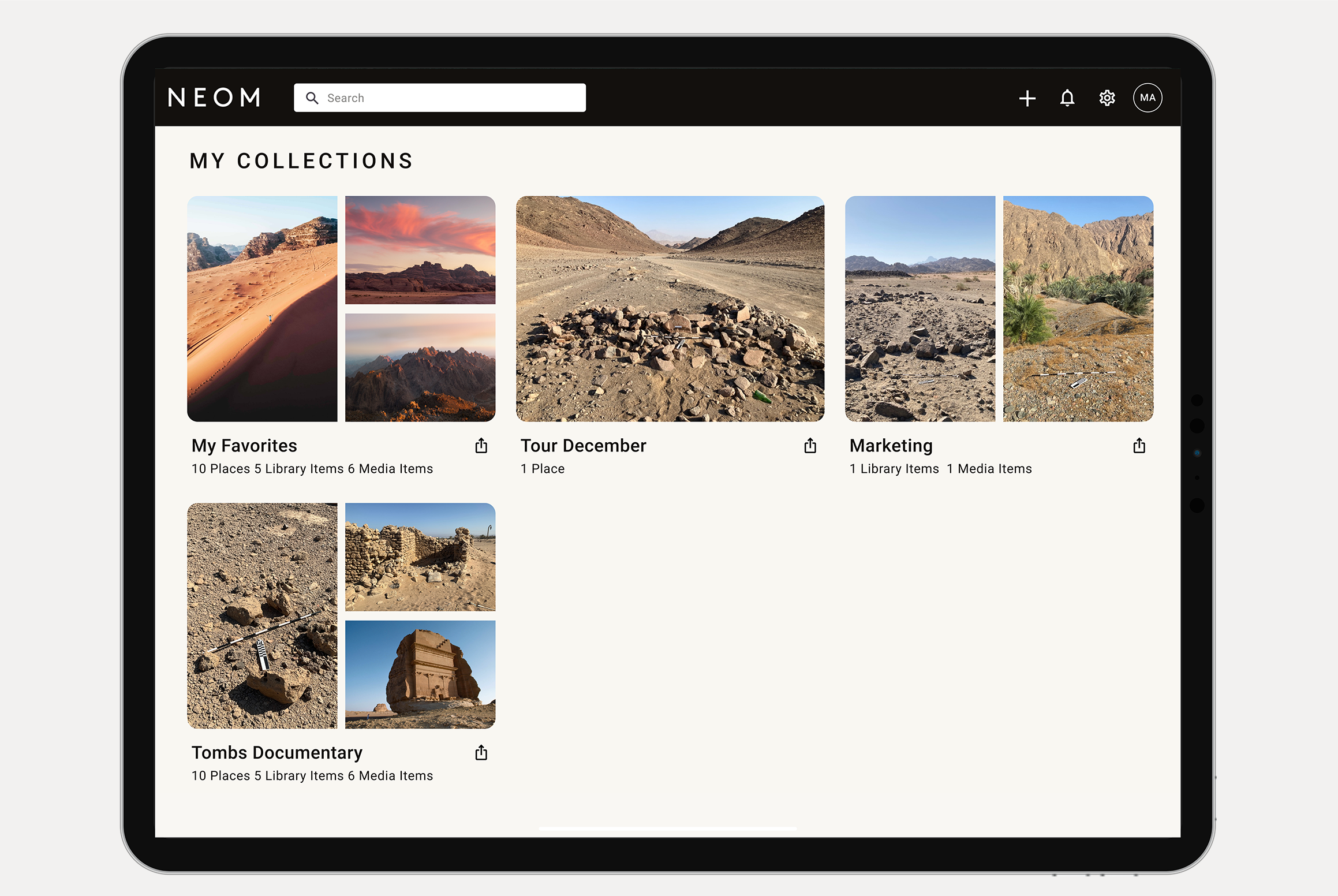
Add & Maintain Content
Edit and curate information and media created during or after a place survey.

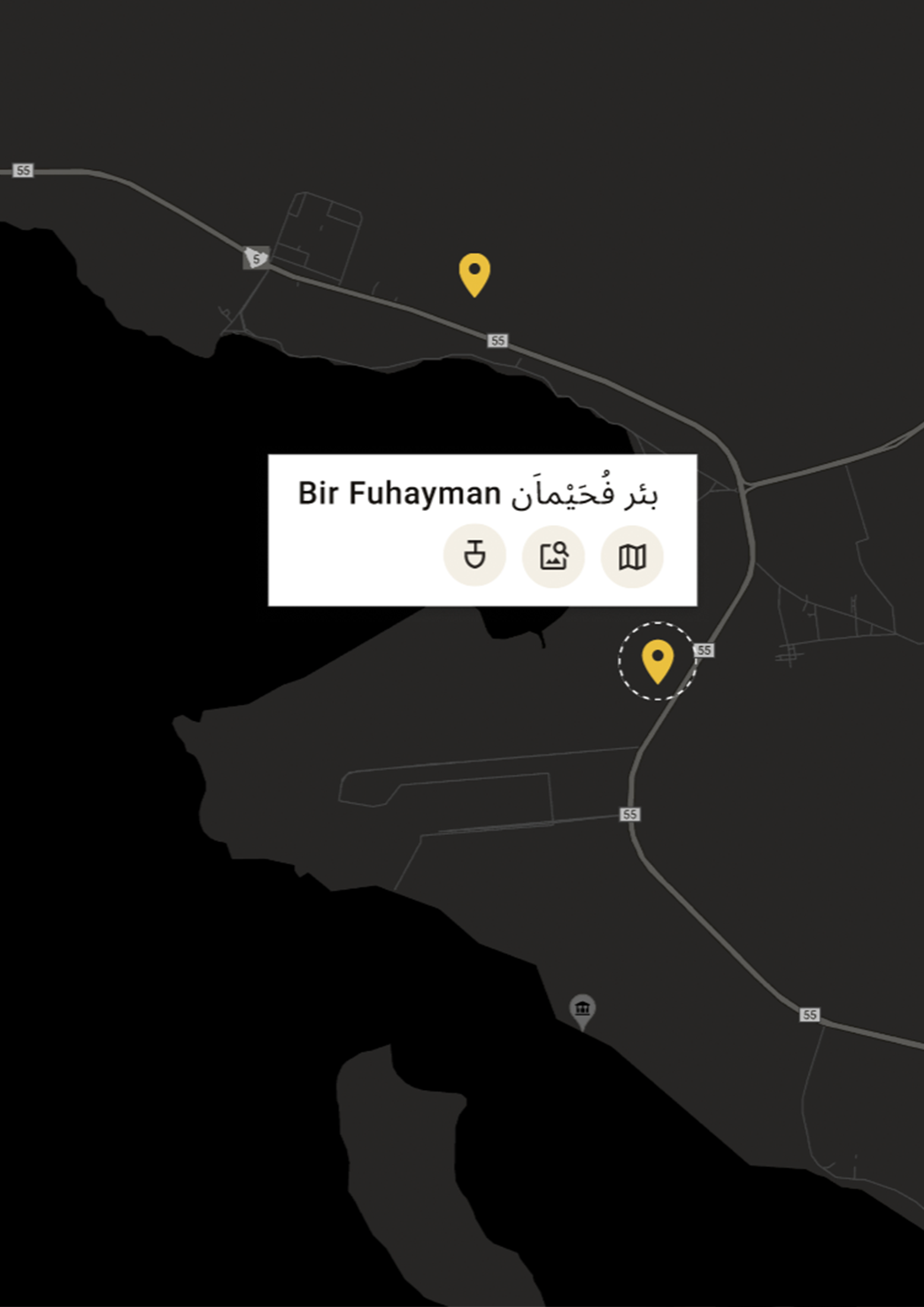
Geolocalization
Identify not only the specific location of the places that were surveyed but also the specific location of the photos that were taken as part of the visit.
Key Results
On-time MVP delivery, achieved by prioritizing core workflows and aligning stakeholders around execution scope.
100% positive UX validation feedback, confirming strong usability and workflow clarity prior to broader rollout.
Consistent interaction framework at launch, supported by reusable design patterns and structured experience guidelines.
Effective cross-functional collaboration, contributing to a high-performing delivery environment across product, architecture, and engineering teams.