


Project Vision & Context
Designed a digital platform enabling professionals to access, read, and study complex tax legislation through an intuitive, structured experience. The initiative addressed the challenge of transforming dense regulatory information into a navigable, user-friendly product that supported real-world learning, reference, and decision-making.
Product Leadership & Ownership
Served as Principal UX Designer with responsibility for end-to-end experience strategy, design direction, and cross-functional collaboration throughout the product lifecycle.
Led research, wireframing, prototyping, and usability validation while guiding the design team’s creative standards, timelines, and deliverables. Partnered closely with software architects, project managers, and engineering to ensure feasibility, delivery speed, and alignment between user needs and technical implementation.
Presented iterative design solutions to users and business stakeholders, incorporating analytics and feedback to continuously refine the product experience and improve usability outcomes.
Research, Insights & User Segmentation
Defined and executed the research strategy using qualitative and quantitative methods, including global user surveys and interviews.
This work revealed two distinct user groups with different goals and usage behaviors, directly shaping information architecture, navigation patterns, and interaction design to support targeted user journeys and improve comprehension of regulatory content.
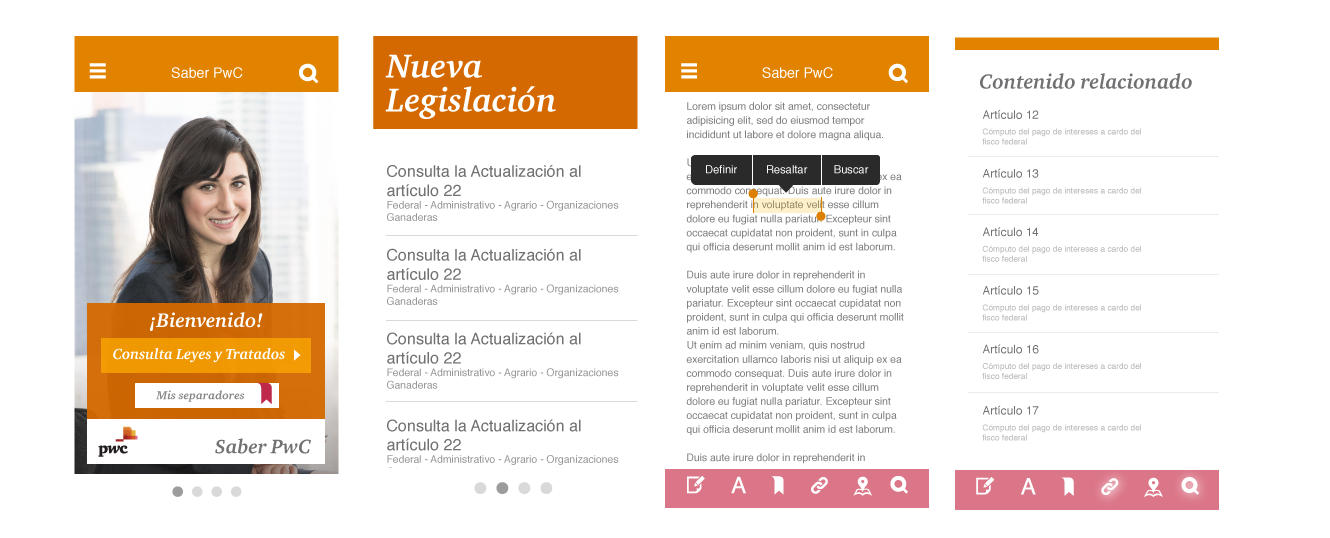
Experience Design & Prototyping
Translated research insights into structured wireframes and interactive prototypes that enabled early usability validation and rapid iteration prior to development.
This approach reduced ambiguity, accelerated stakeholder alignment, and ensured the final experience balanced clarity, accessibility, and functional depth required for complex legal content.
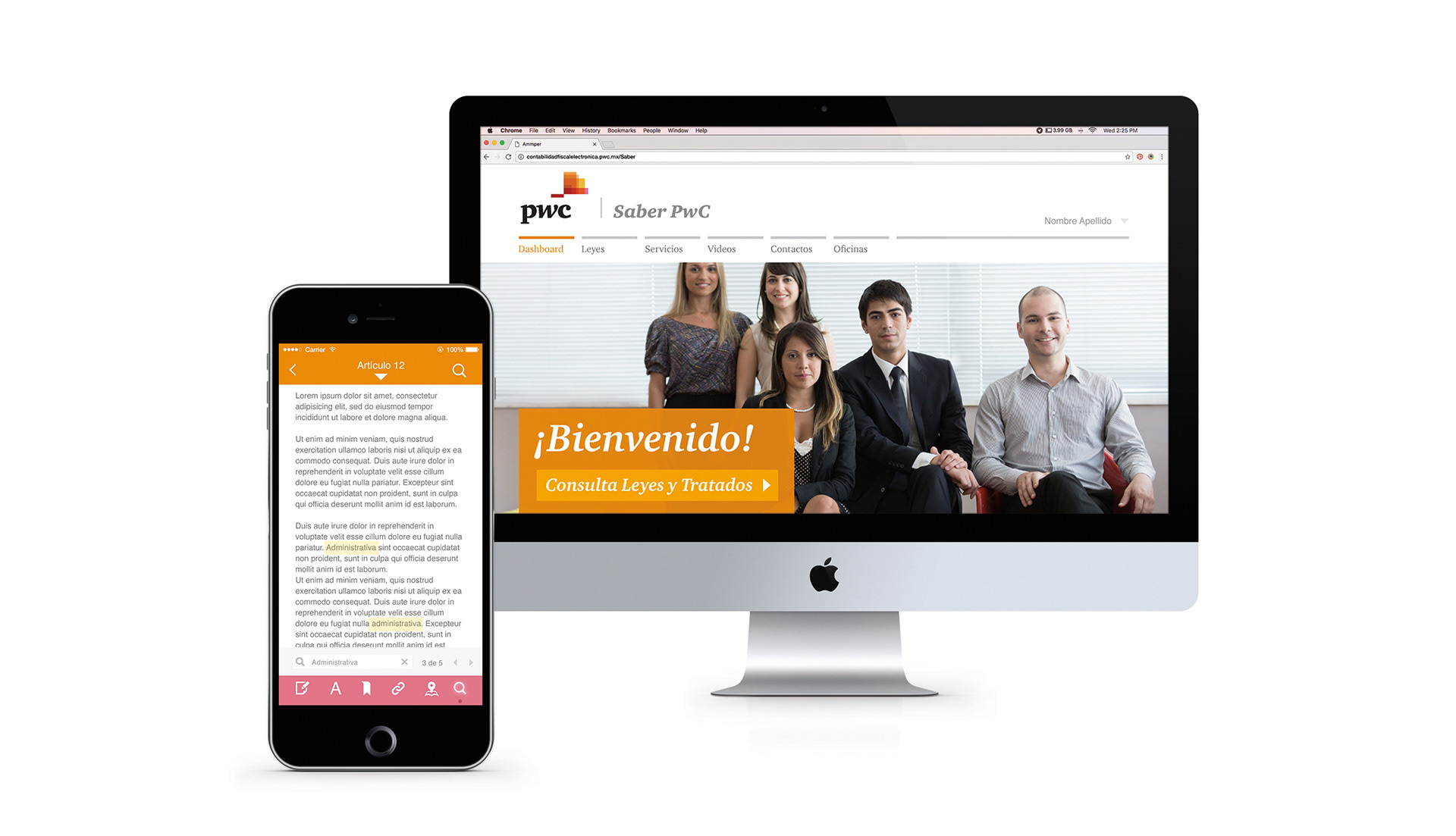
Key Achievements
Regulatory Complexity → Usable Product: Transformed dense, highly technical tax legislation into a structured, navigable digital experience that improved information discoverability and supported faster professional reference and study.
User Segmentation Driving IA & Navigation: Identified distinct user groups through qualitative and quantitative research, shaping information architecture, navigation models, and interaction patterns to better support real usage behaviors and learning workflows.
Early Validation Reducing Delivery Risk: Introduced interactive prototyping and usability validation prior to development, reducing ambiguity in requirements, accelerating stakeholder alignment, and lowering the risk of late-stage rework.
Cross-Functional Alignment at Enterprise Scale: Partnered closely with architects, engineering, and business stakeholders to ensure the experience balanced usability, technical feasibility, and delivery timelines within a complex enterprise environment.
Foundation for Scalable Knowledge Platforms: Established reusable UX patterns and structural design principles applicable to future regulatory and knowledge-management products, extending long-term value beyond the initial release.